
Essentials: How Your Brain Functions & Interprets the World | Dr. David Berson

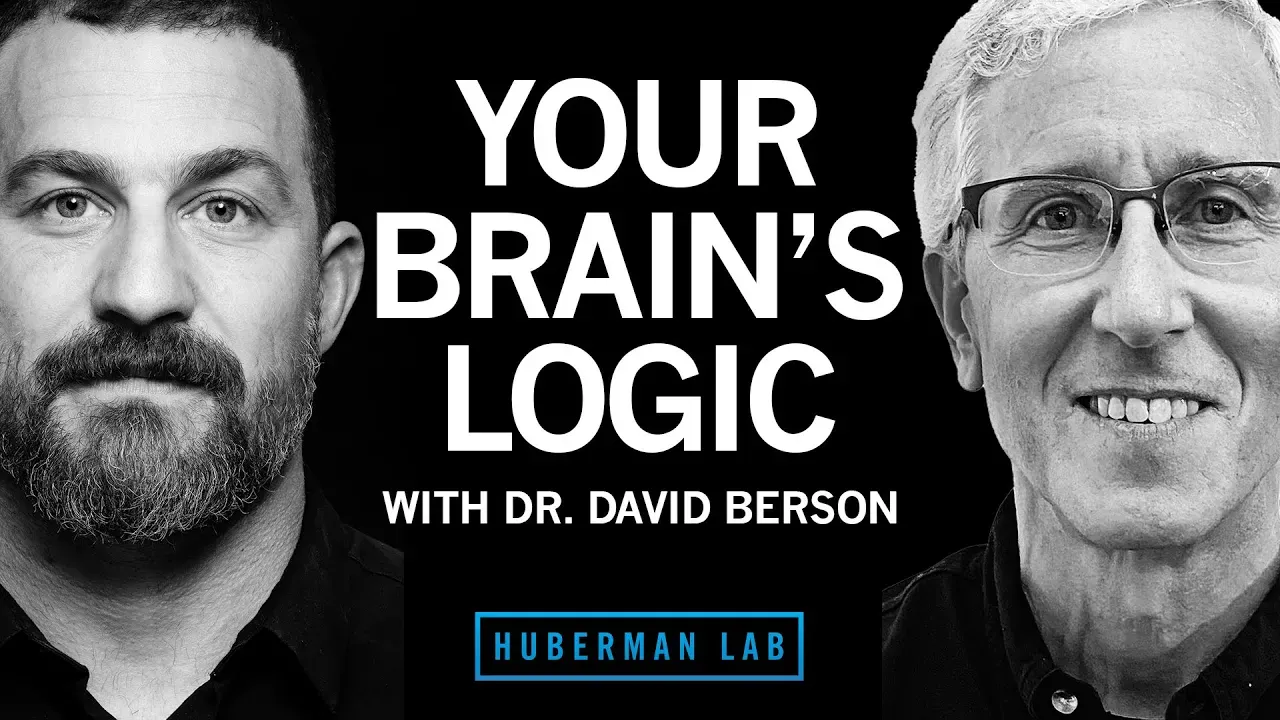
In this insightful video, Dr. David Berson delves into the complexities of brain functions and how we perceive the world around us. He discusses the neurobiology underlying sensory processing and the cognitive mechanisms that shape our interpretations. Through clear examples, Dr. Berson illustrates how various brain regions contribute to our understanding and interaction with our environment, highlighting the interplay between perception and reality.
Additionally, Dr. Berson addresses the impacts of context and experience on perception, emphasizing the brain’s adaptability. He explains how our previous knowledge influences our sensory experiences and the way we understand signals from our surroundings. By exploring these dynamics, viewers gain a deeper appreciation for the remarkable capabilities of the brain in constructing our reality and navigating daily life.

Related posts
Lorem ipsum dolor sit amet, consectetur adipiscing elit.

It's not about how much sleep you get...
30 Days of Zero Caffeine Will Change Your Life (cortisol, visceral fat, dopamine)


Get to Sub 10% Body Fat by Summer (starting now)
Science-Based Meditation Tools to Improve Your Brain & Health | Dr. Richard Davidson

Enlarged Prostate (BPH) - Dr Trevor Bachmeyer


Just 1 TSP Kills Cortisol & Makes You Sleep 8 Hours Straight


Benefits of Sauna & Deliberate Heat Exposure | Huberman Lab Essentials

Grave's Disease and How to Reverse It - Dr Trevor Bachmeyer
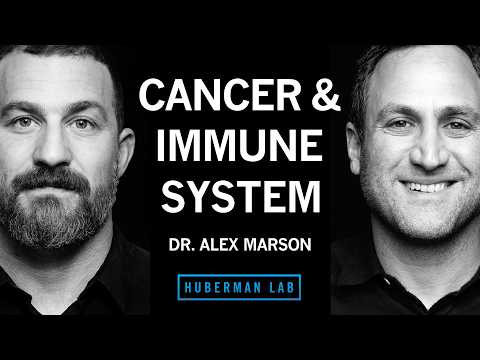
Avoiding, Treating & Curing Cancer With the Immune System | Dr. Alex Marson

Restore Youthfulness & Vitality to the Aging Brain & Body | Dr. Tony Wyss-Coray
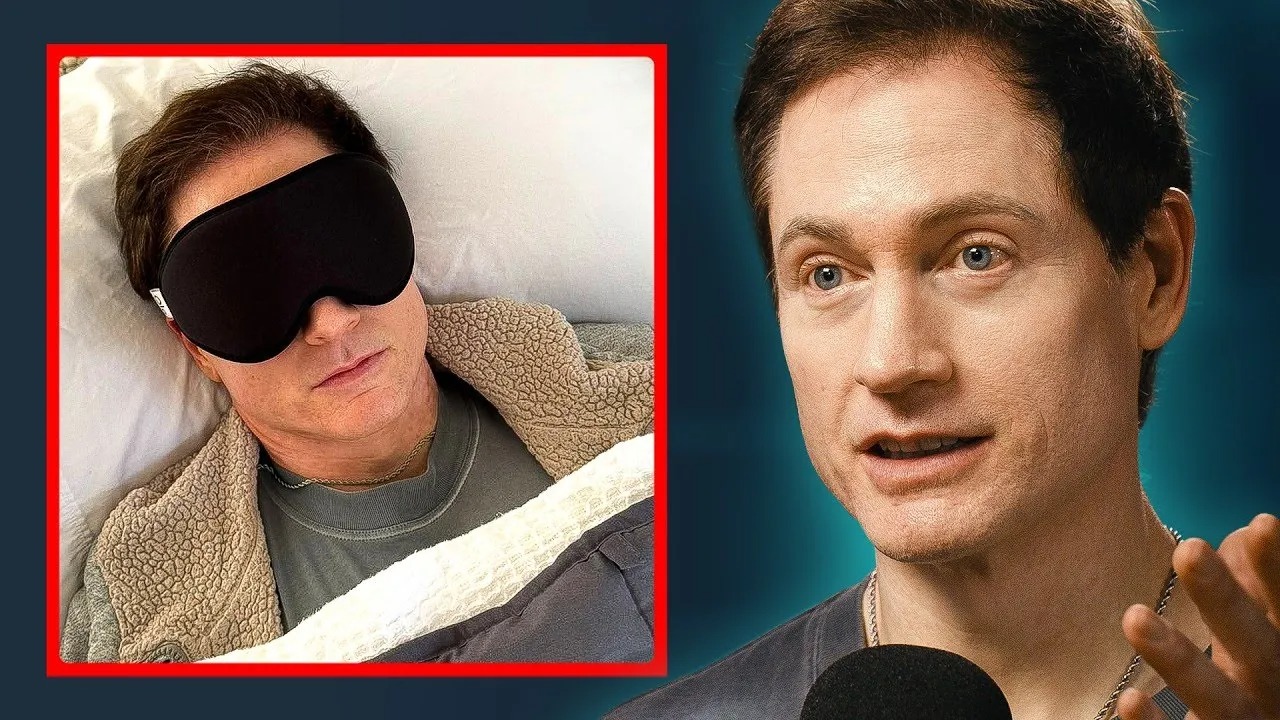
The 6-Step Routine for Restorative Sleep - Bryan Johnson

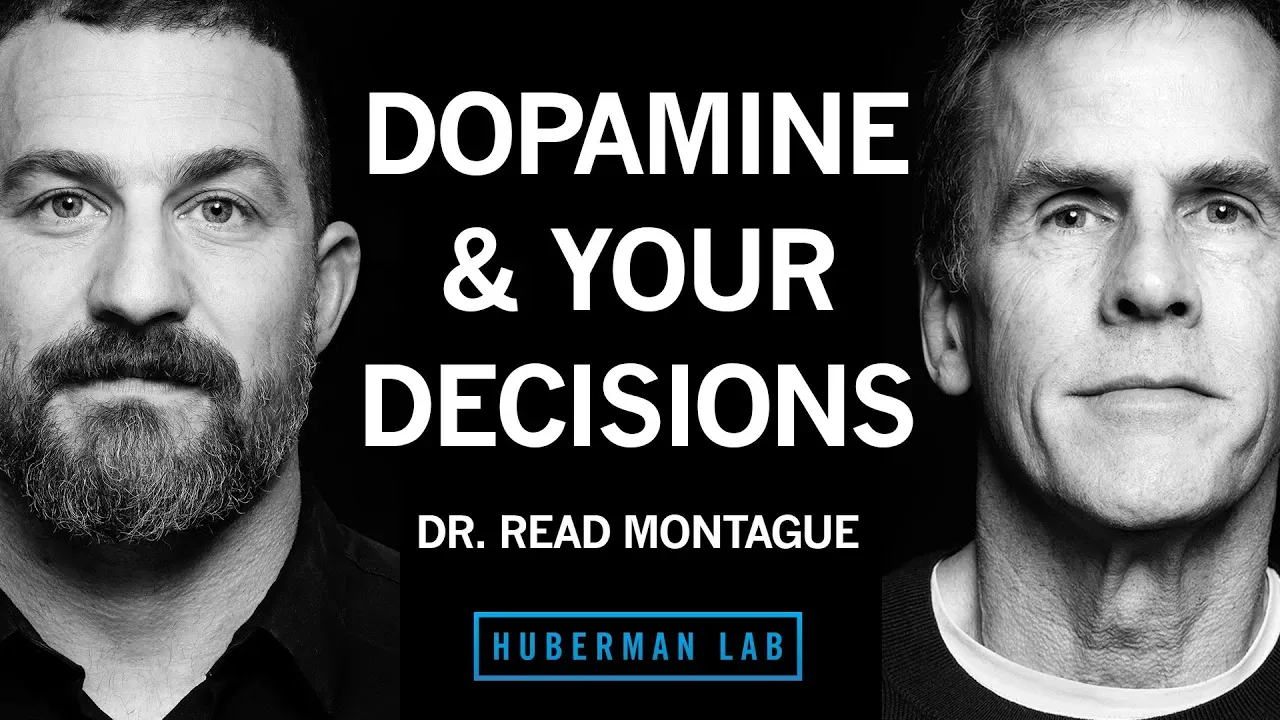
How Dopamine & Serotonin Shape Decisions, Motivation & Learning | Dr. Read Montague

How Smartphones are Wrecking Your Life with Jonathan Haidt
Subscribe to our newsletter
Lorem ipsum dolor sit amet, consectetur adipiscing elit. Suspendisse varius enim in eros elementum tristique.