
Benefits & Risks of Peptide Therapeutics for Physical & Mental Health

In this video, we delve into the fascinating world of peptide therapeutics, examining their emerging role in both physical and mental health. Peptides, which are small chains of amino acids, have shown promise in treating various conditions, ranging from metabolic disorders to mental health issues. Experts discuss how these substances work in the body, their potential benefits, and the current research backing their use.
However, alongside their potential, there are significant risks that users should be aware of. The video highlights important considerations, including the quality of peptide products, possible side effects, and regulatory issues surrounding their use. Viewers gain valuable insights into navigating the landscape of peptide therapeutics, empowering them to make informed decisions about their health.
Related posts
Lorem ipsum dolor sit amet, consectetur adipiscing elit.

What Is Selank? The Russian Anxiety Peptide That Replaces Benzos


How to Stack SS-31 + MOTS-C (Exact Dosing Protocol)

New MOTS-C Study Changes How I Stack the Mechanic Protocol

Does MOTS-C Make You Tired? Here's the solution - Dr Trevor Bachmeyer


What Is BPC-157? How It Works (And Why It Heals Almost Everything)

STOP This Peptide Mistake Before It Ruins Your Results 🚨


Retatrutide, Pregnancy and Breastfeeding - Dr Trevor Bachmeyer

What The Experts Are Saying About Peptides


Peptide Calculators
I Take This Peptide Every Day No Matter What

Two Compounds To Solve Fatigue

Never Microdose Retatrutide
Lose 50 Pounds in Less Than 60 Days

My New Personal Daily Stack

SLU-PP-332 The Owners Manual

My Personal Brain Upgrade Stack

Three Biological Upgrades For Longevity

Can You Mix Peptides Together
10 Peptides To Save A Liver

The Secret Peptide SS-31

The Two Best Peptides (for life)

The Lie About Arthritis

Can You Reverse Dementia?
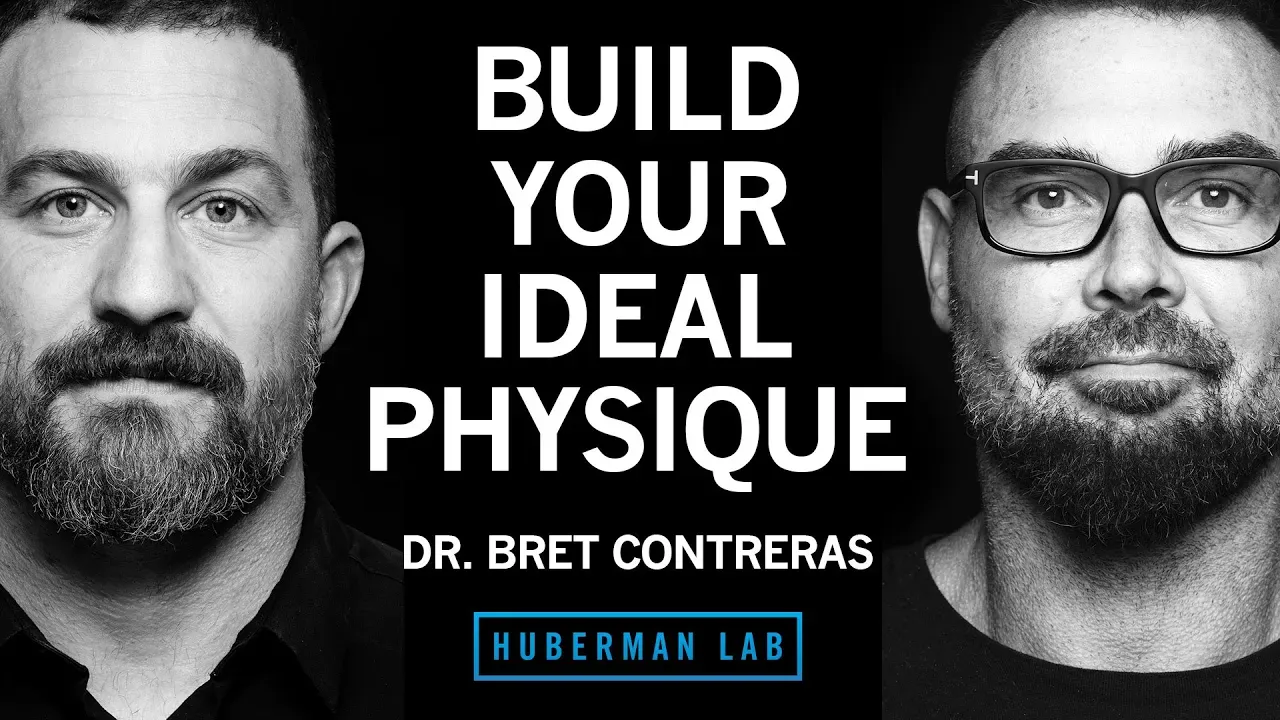
Build Your Ideal Physique with Dr. Bret Contreras

Peptide & Hormone Therapies for Health, Performance & Longevity | Dr. Craig Koniver
Subscribe to our newsletter
Lorem ipsum dolor sit amet, consectetur adipiscing elit. Suspendisse varius enim in eros elementum tristique.