
What The Experts Are Saying About Peptides


Introduction
Peptides are gaining attention for health optimization, longevity, and performance. Experts like Dr. Trevor Bachmeyer and Andrew Huberman discuss their potential in repair, weight loss, and cognitive enhancement. Based on curated content from Youth Fountain, here's what they say.
Dr. Trevor Bachmeyer's Insights
- Daily Peptide Use: Takes a peptide daily for health and performance benefits.
- Retatrutide Dosing: Avoid microdosing retatrutide; it wastes weight-loss potential.
- Rapid Weight Loss: Combine peptides with nutrition, HIIT, mindset for 50-pound loss in 60 days.
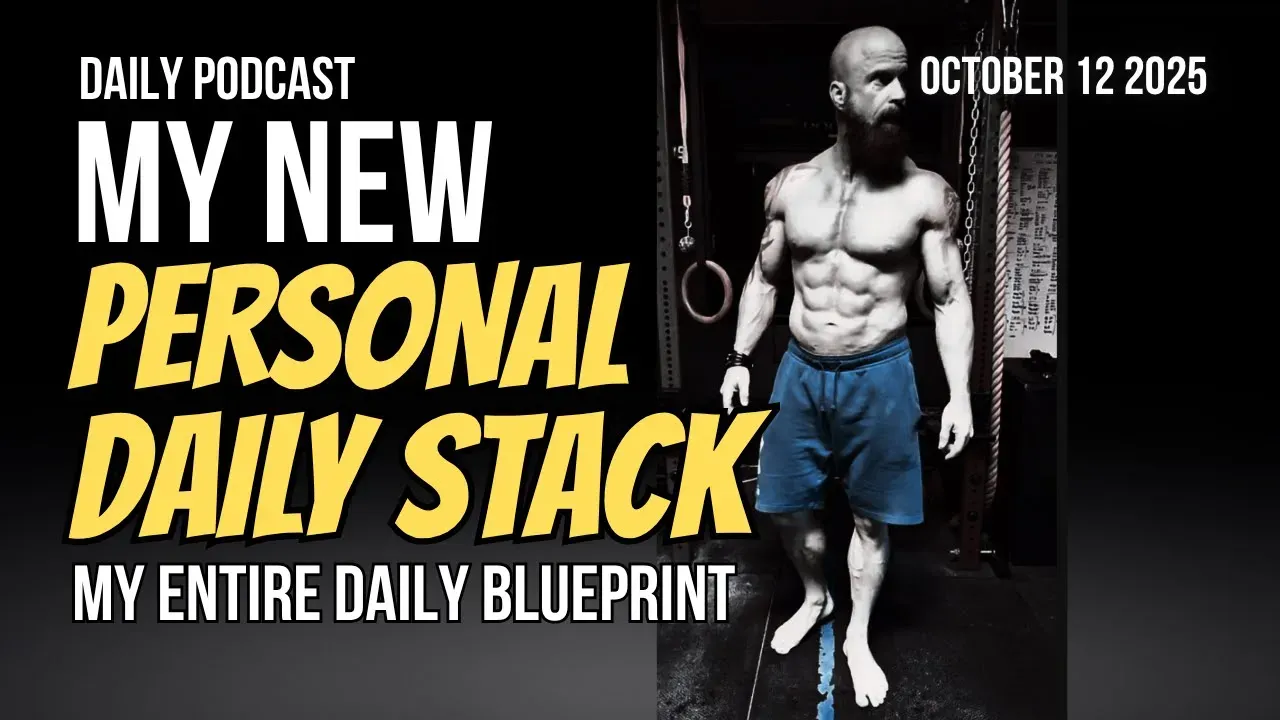
- Personal Stack: Includes peptides in morning/evening routines for peak performance.
- SLU-PP-332: Guides personal leadership, indirectly tying to health upgrades.
- Longevity Upgrades: NAD+ optimization, epigenetic reprogramming, gene therapies; peptides enhance healthspan.
- Peptide Mixing: Stack compatible peptides, consider dosing, safety, timing, half-lives for benefits.
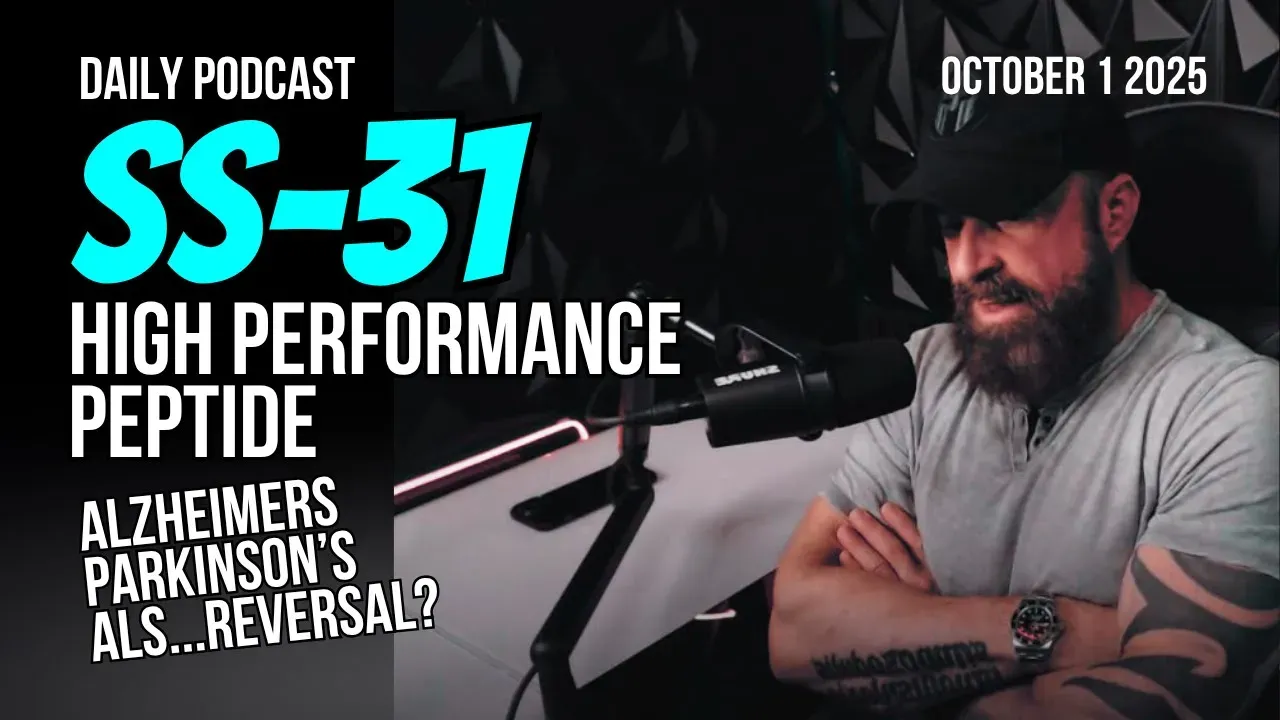
- SS-31 Peptide: Boosts mitochondrial function for therapeutic promise.
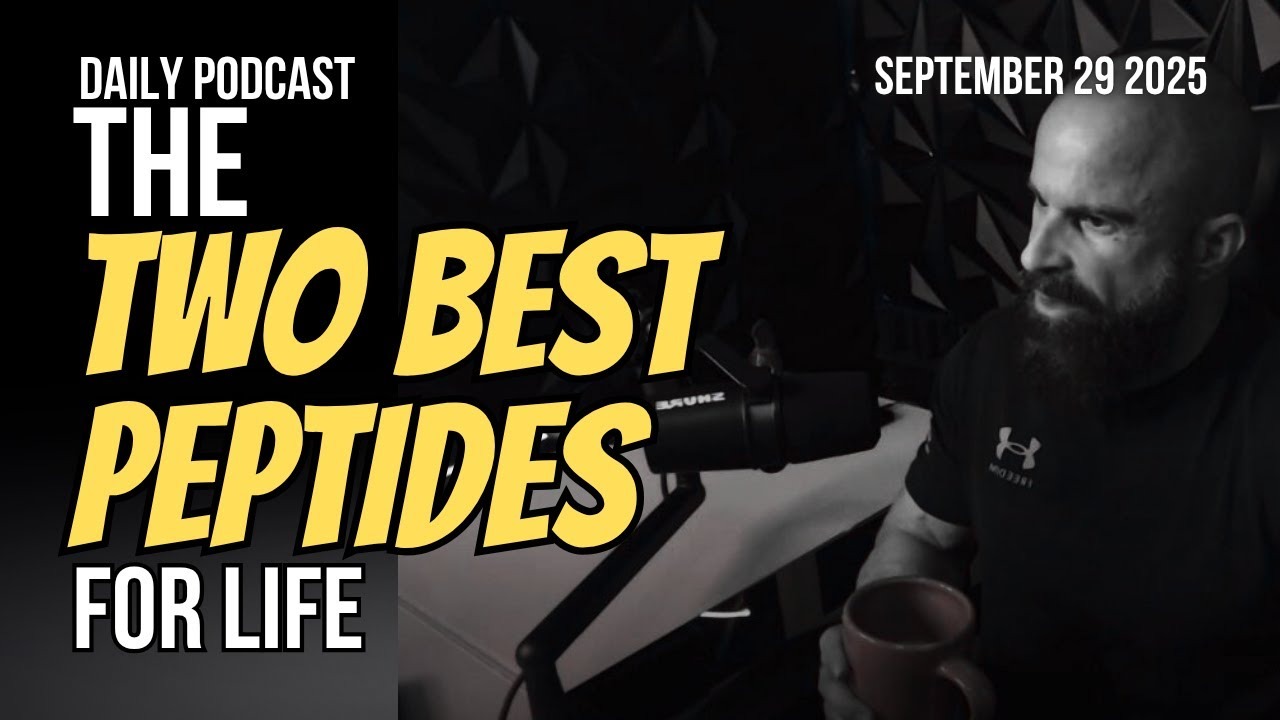
- Top Peptides: BPC-157 and TB-500 for healing, longevity.
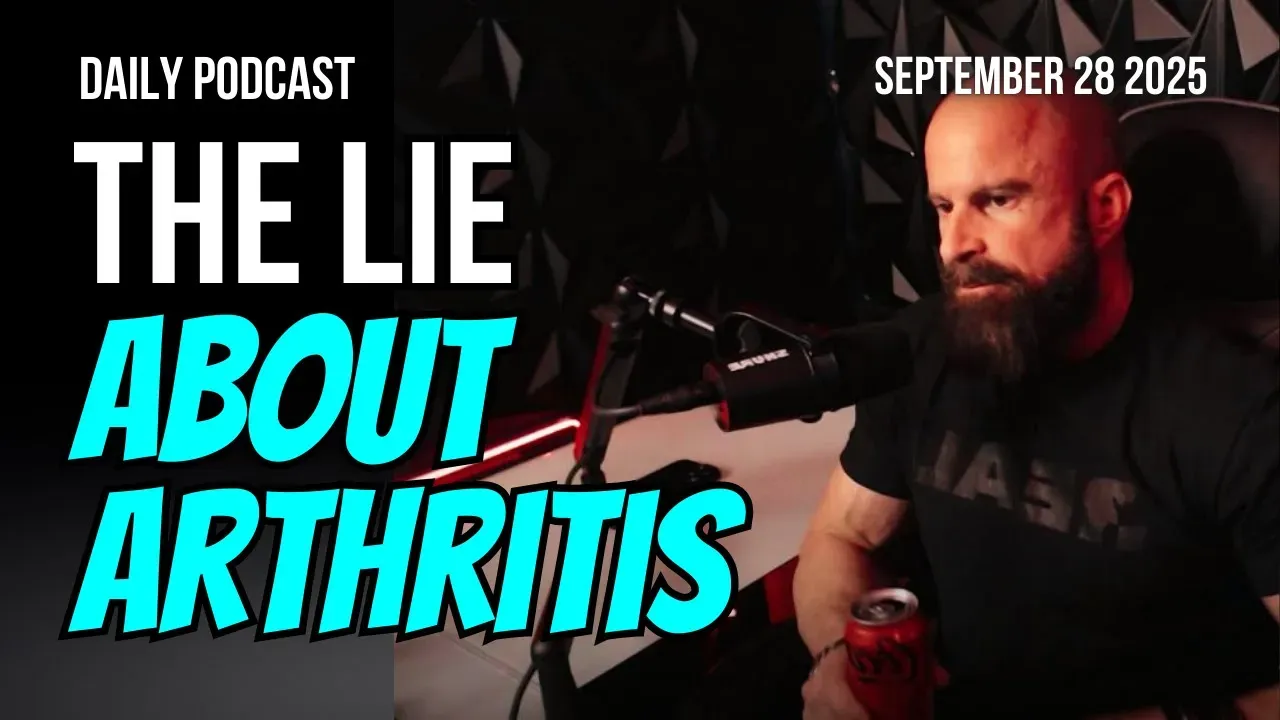
- Arthritis Reversal: Peptides like BPC-157, LDN regenerate joints, reduce pain; 6-9 months needed. Benefits: healing; risks: experimental.
- Dementia Protocol: Peptides like Cerebrolysin restore blood flow, regrow nerves. Benefits: sharper mind; risks: side effects.
Andrew Huberman's Views
- Building Physique: Science-backed strategies, nutrition; peptides aid recovery.
- Peptide Therapies: With Dr. Craig Koniver, explores mechanisms, benefits, dosing, safety for health, performance, longevity.
- Benefits & Risks: Enhance tissue repair, cognition, mood; balance against dosing, regulatory challenges.
Additional Tools
Use peptide calculators for precise dosing, reconstitution, syringe math.
Conclusion
Experts emphasize peptides' potential but stress professional consultation due to risks and regulation. Stacks like BPC-157, TB-500, SS-31 show promise for repair and longevity.
Related posts
Lorem ipsum dolor sit amet, consectetur adipiscing elit.
Category
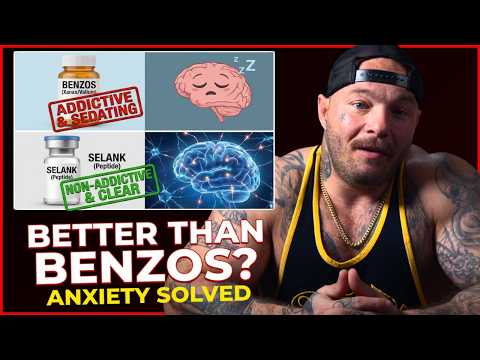
What Is Selank? The Russian Anxiety Peptide That Replaces Benzos
Learn how Selank, the anxiety peptide, serves as a natural alternative to benzodiazepines.

Category
How to Stack SS-31 + MOTS-C (Exact Dosing Protocol)
Learn the precise dosing protocol for stacking SS-31 and MOTS-C to maximize benefits in this informative video.

Category
New MOTS-C Study Changes How I Stack the Mechanic Protocol
Discover how the new MOTS-C study is changing the game for stacking mechanic protocols in this insightful video.
Category
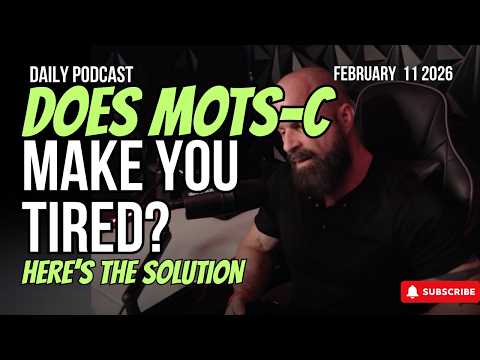
Does MOTS-C Make You Tired? Here's the solution - Dr Trevor Bachmeyer
Uncover the truth about MOTS-C and fatigue. Dr. Trevor Bachmeyer shares solutions to tiredness caused by this peptide in an informative video.
Category
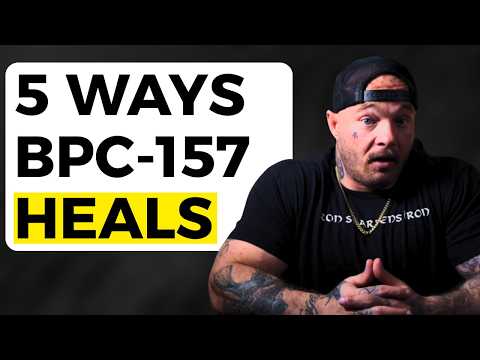
What Is BPC-157? How It Works (And Why It Heals Almost Everything)
Discover how BPC-157 works and its incredible potential to heal various injuries and conditions in this informative video.

Category
STOP This Peptide Mistake Before It Ruins Your Results 🚨
Learn key peptide mistakes that could ruin your fitness results and how to avoid them in this informative video.
Category
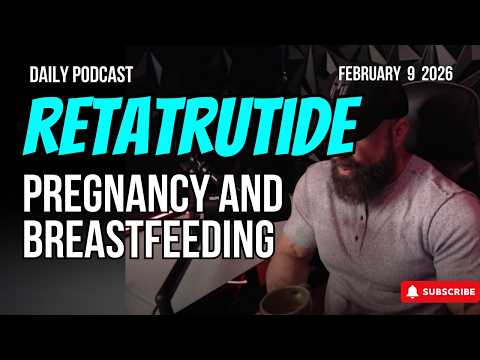
Retatrutide, Pregnancy and Breastfeeding - Dr Trevor Bachmeyer
Explore Retatrutide's implications for pregnancy and breastfeeding with Dr. Trevor Bachmeyer in this informative video.

Category
Peptide Calculators
Peptide Calculators: Precise dosing guide with recommended tools (web, iOS, Android apps), formulas, examples, and tips for safe reconstitution and syringe math.
Category
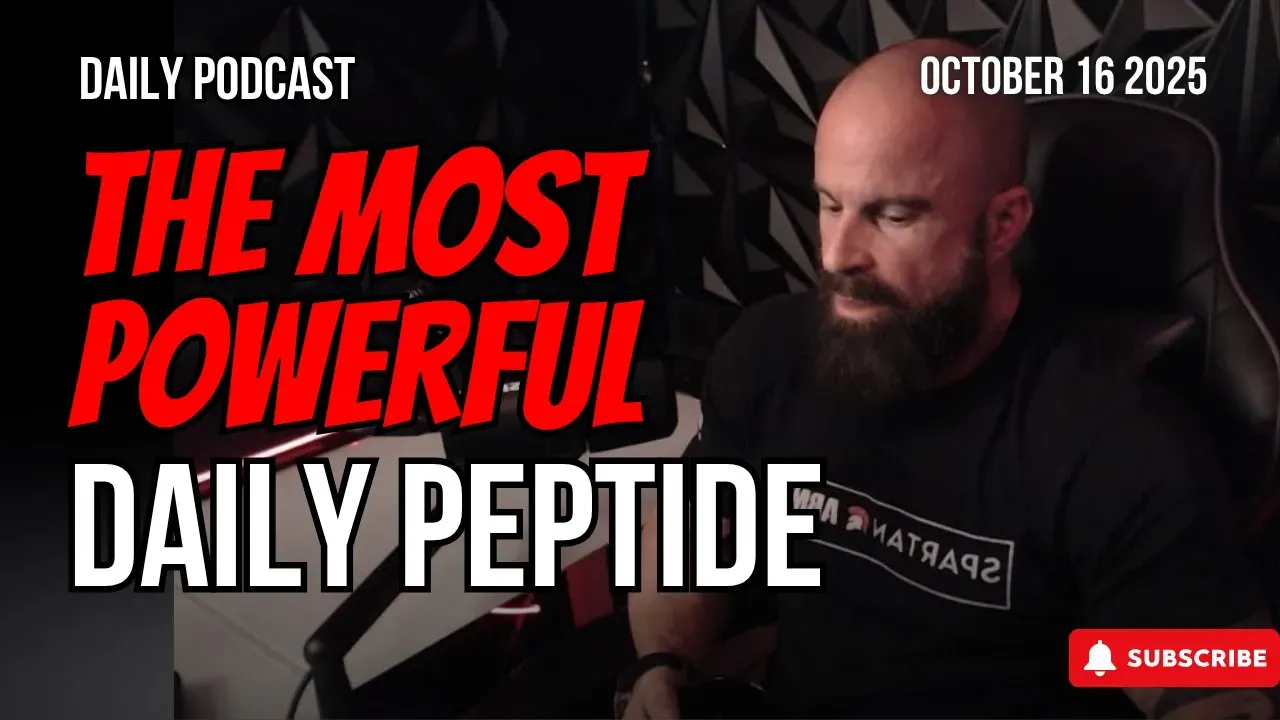
I Take This Peptide Every Day No Matter What
Discover the peptide I take every day and its health benefits. Unlock the secrets to better well-being with this simple addition to my routine.
Category
Two Compounds To Solve Fatigue
Discover two powerful compounds that can effectively reduce fatigue and boost your energy levels. Watch now!
Category
Never Microdose Retatrutide
Discover the dangers of microdosing Retatrutide and the risks involved.
Category
Lose 50 Pounds in Less Than 60 Days
Discover effective strategies to shed 50 pounds in less than 60 days with expert tips and real success stories.
Category
My New Personal Daily Stack
Explore my daily stack tools and tips for productivity and organization in this insightful video.
Category
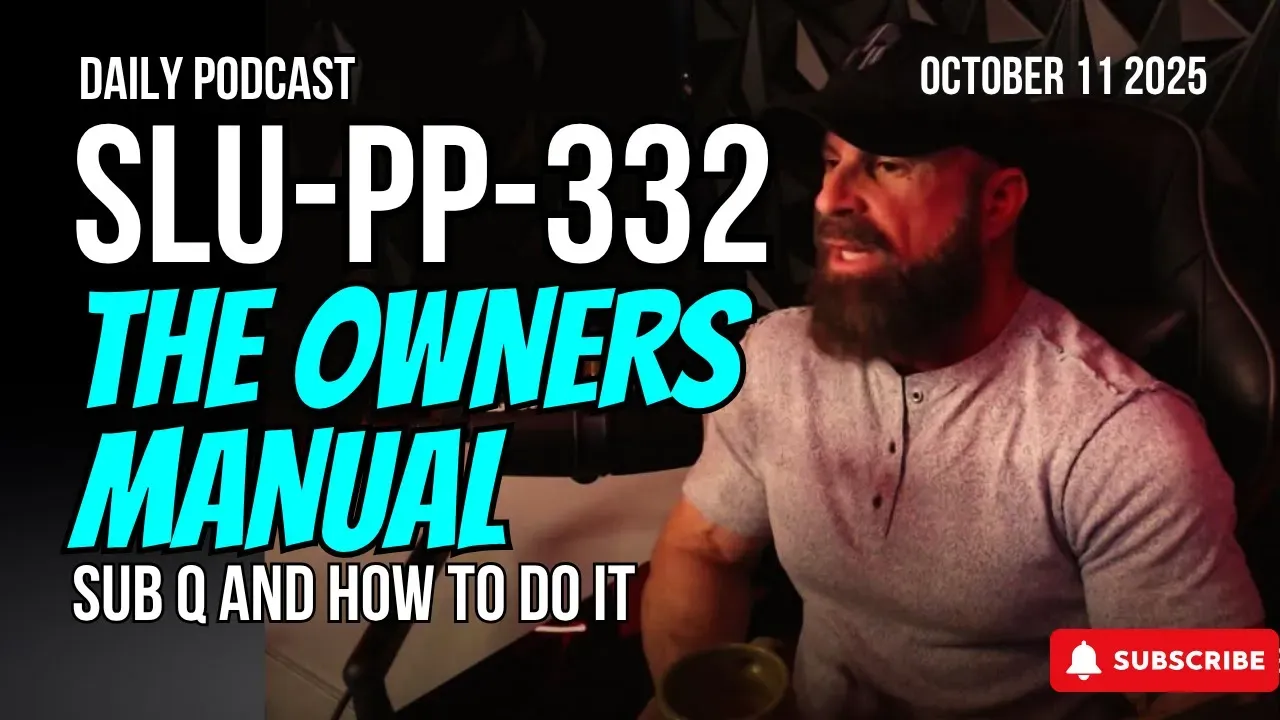
SLU-PP-332 The Owners Manual
Discover key insights about the Owner's Manual in this engaging video overview.
Category
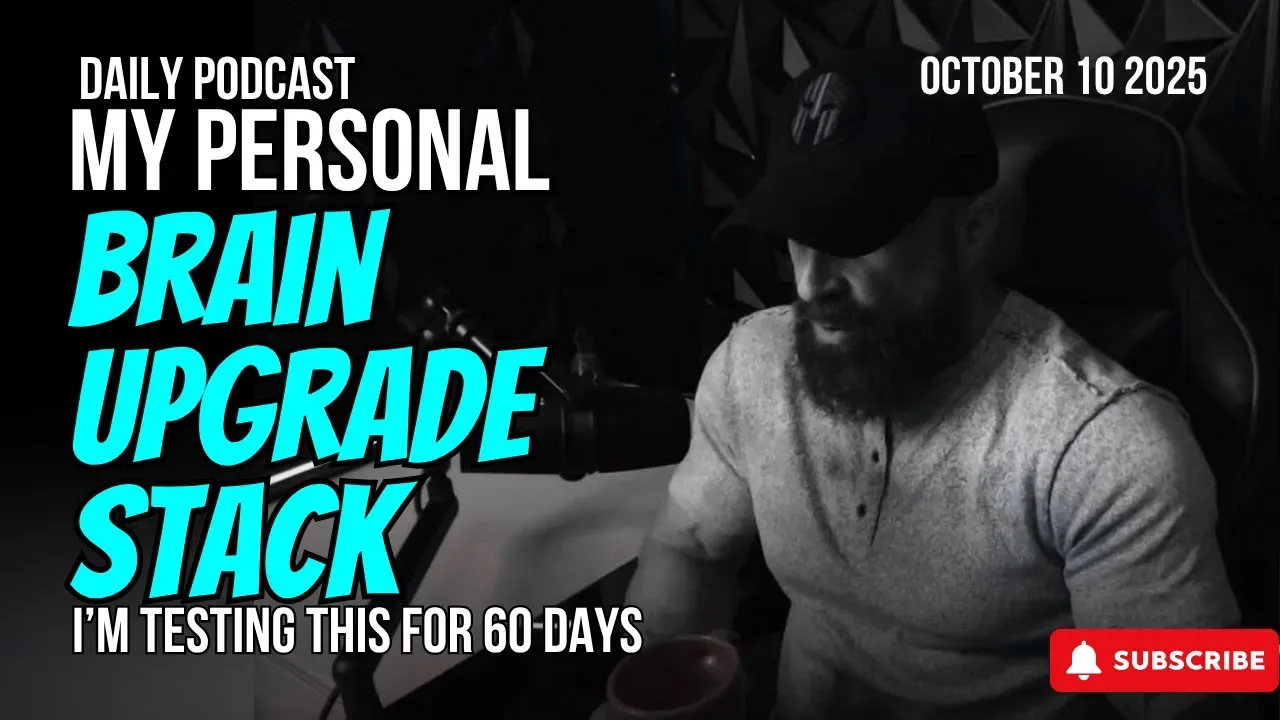
My Personal Brain Upgrade Stack
Discover the essential tools and strategies I use to enhance my mind and productivity in this insightful video.
Category
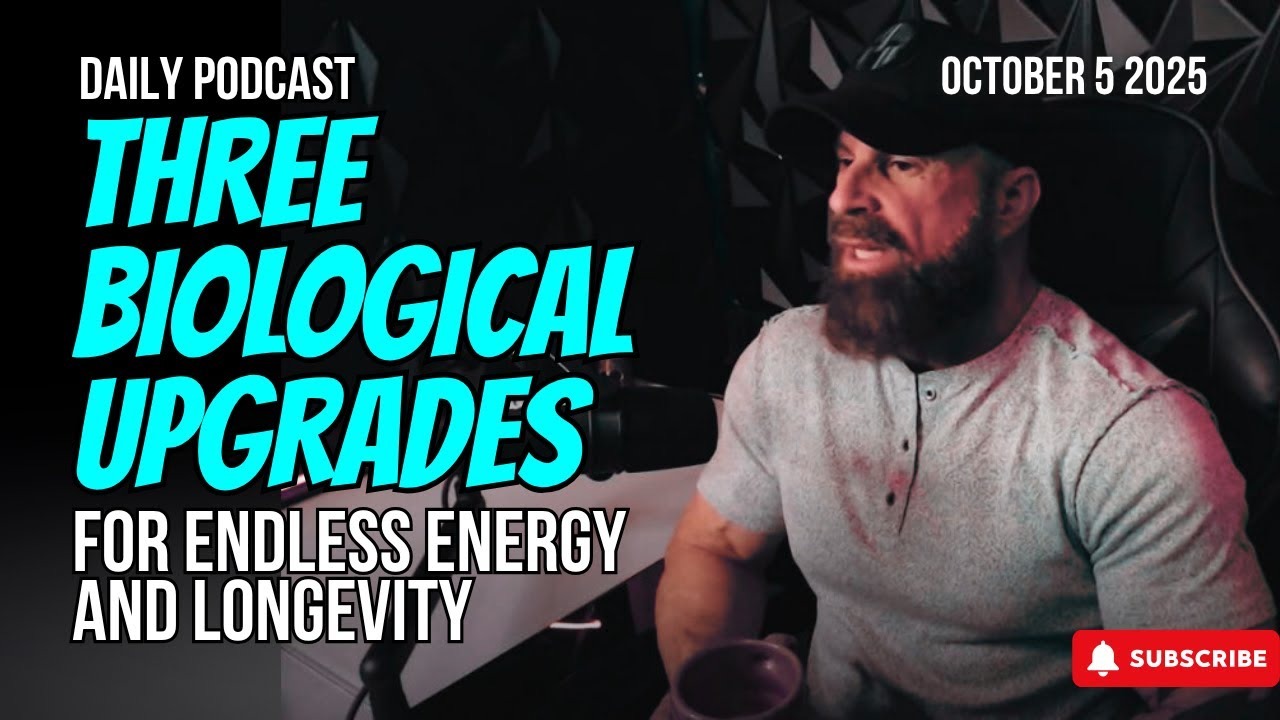
Three Biological Upgrades For Longevity
Discover three essential biological upgrades to enhance longevity and improve your overall health in this insightful video.
Category
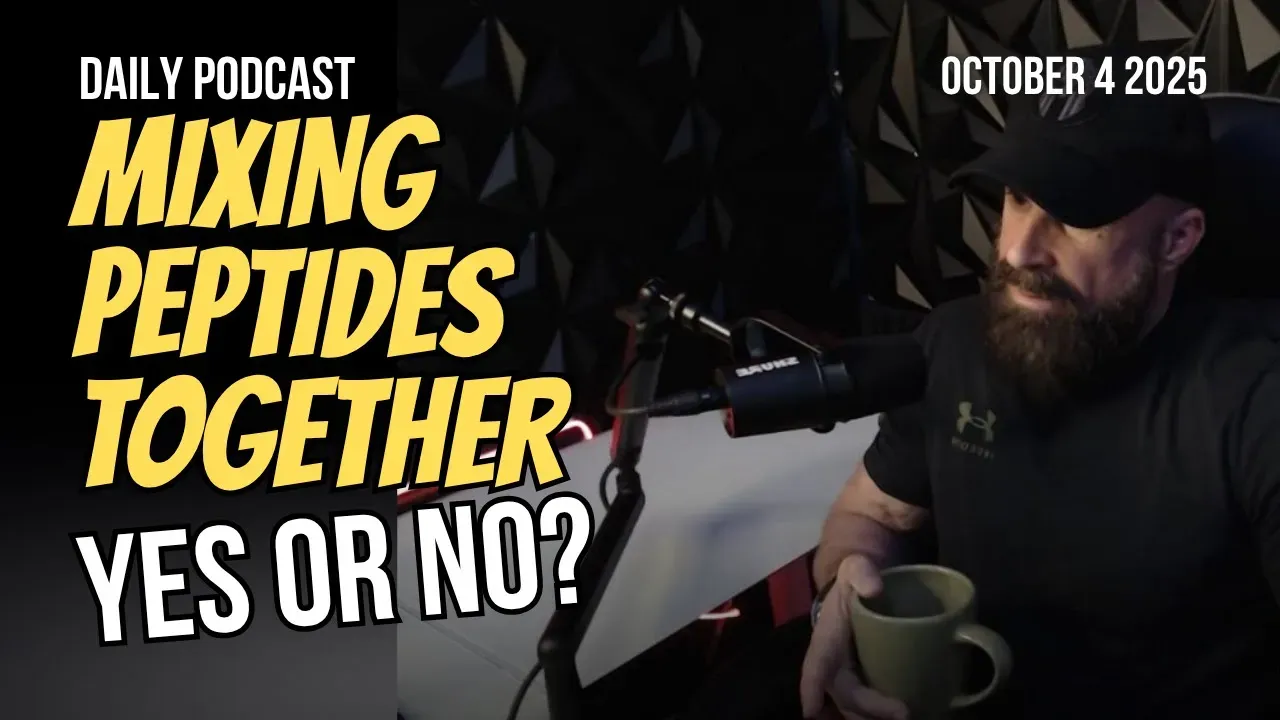
Can You Mix Peptides Together
Explore the science behind mixing peptides, their benefits, and safety tips in this informative video.
Category
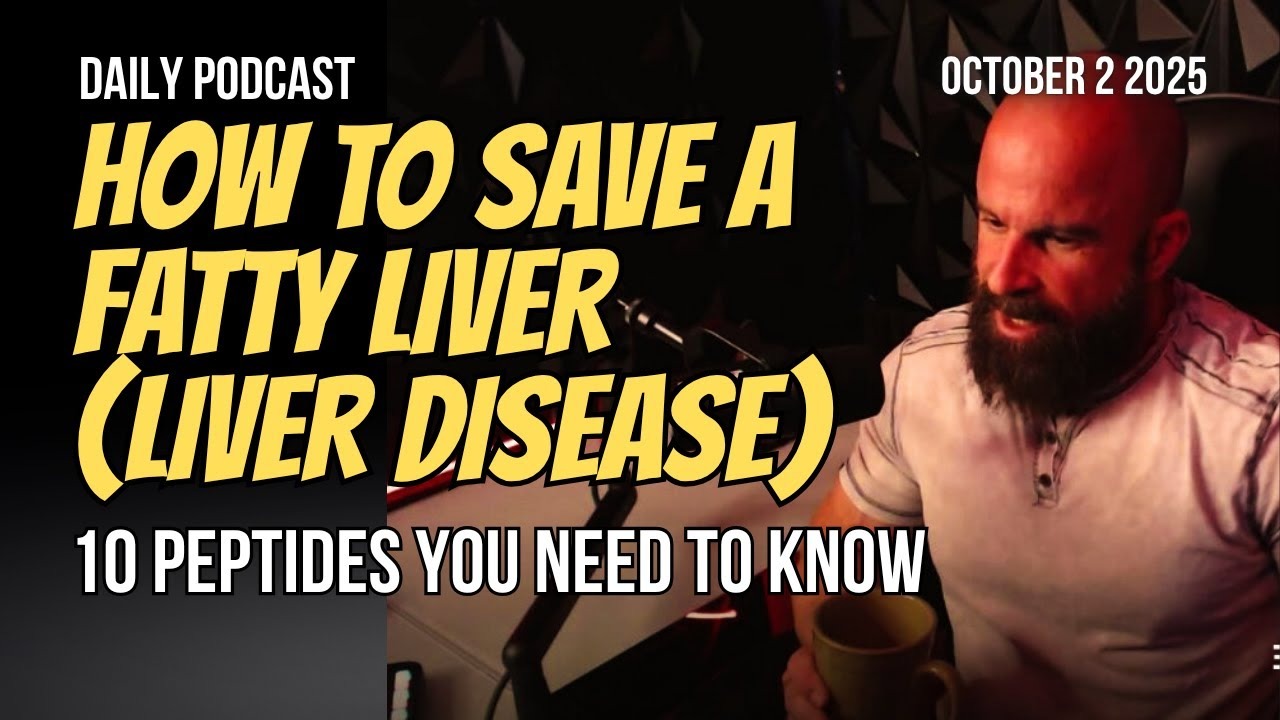
10 Peptides To Save A Liver
Discover the 10 essential peptides that can help improve liver function and promote overall health effectively.
Category
The Secret Peptide SS-31
Learn how SS-31 peptide can improve mitochondrial health and revolutionize treatment for various diseases in this insightful video.
Category
The Two Best Peptides (for life)
Explore the benefits of the two most effective peptides for enhancing health and longevity in this informative video.
Category
The Lie About Arthritis
Arthritis isn't inevitable aging—it's a fixable system failure. Dr. Bachmeyer reveals peptide stacks like BPC-157 and LDN, diet hacks, and movement tips to regenerate joints, cut pain, and boost longevity. Benefits: real healing; risks: experimental. Commit to 6-9 months for results.
Category
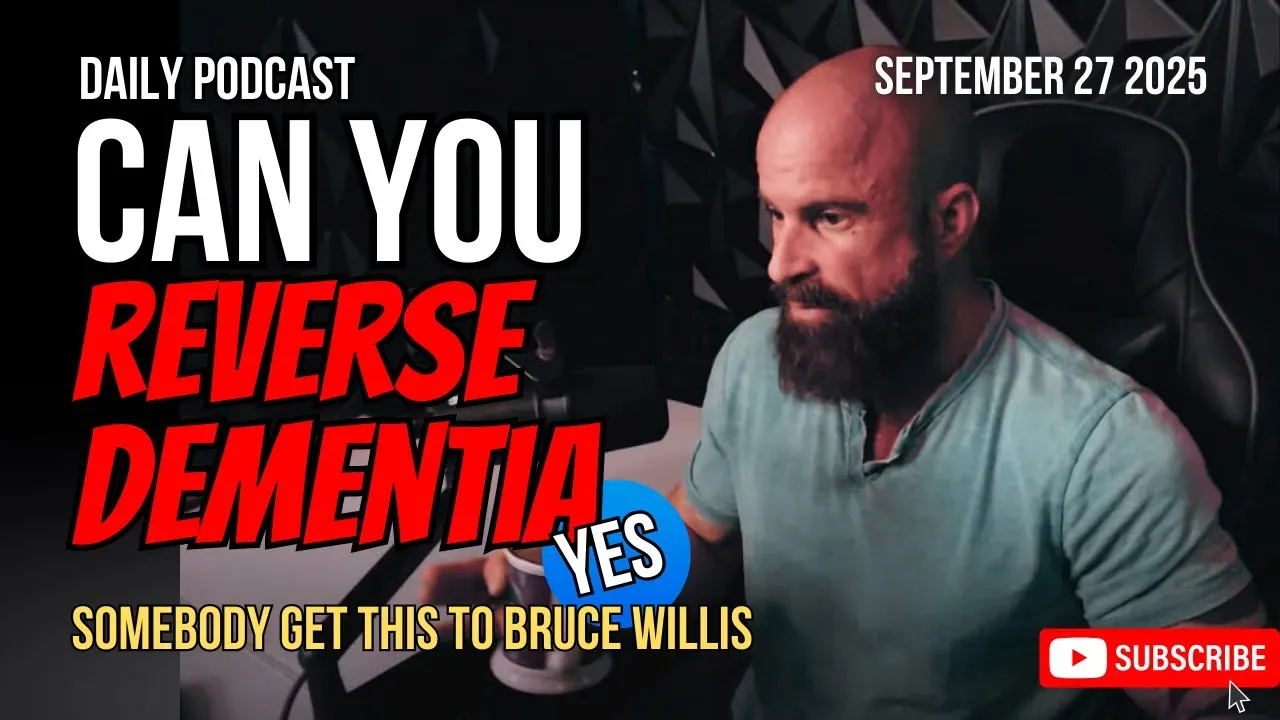
Can You Reverse Dementia?
Explore the latest insights on reversing dementia and improving brain health in this informative video.
Category
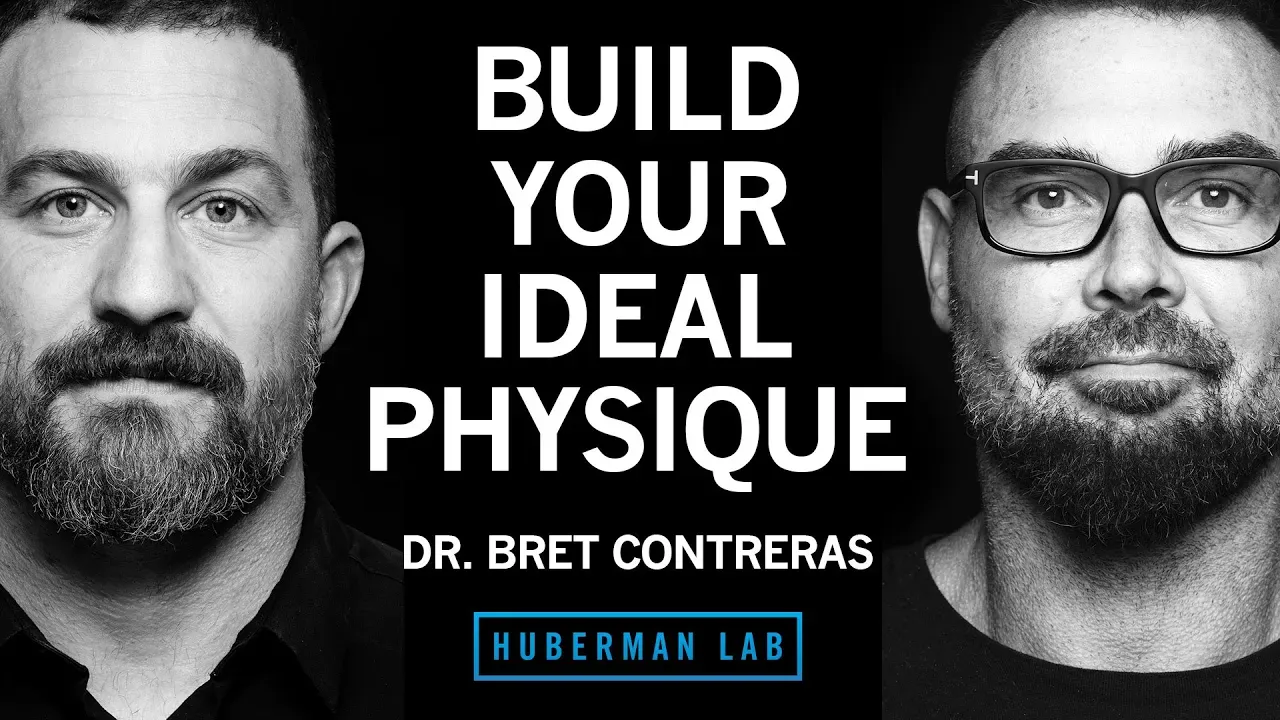
Build Your Ideal Physique with Dr. Bret Contreras
Discover how to sculpt your perfect body with Dr. Bret's expert guidance on fitness and strength training strategies.

Category
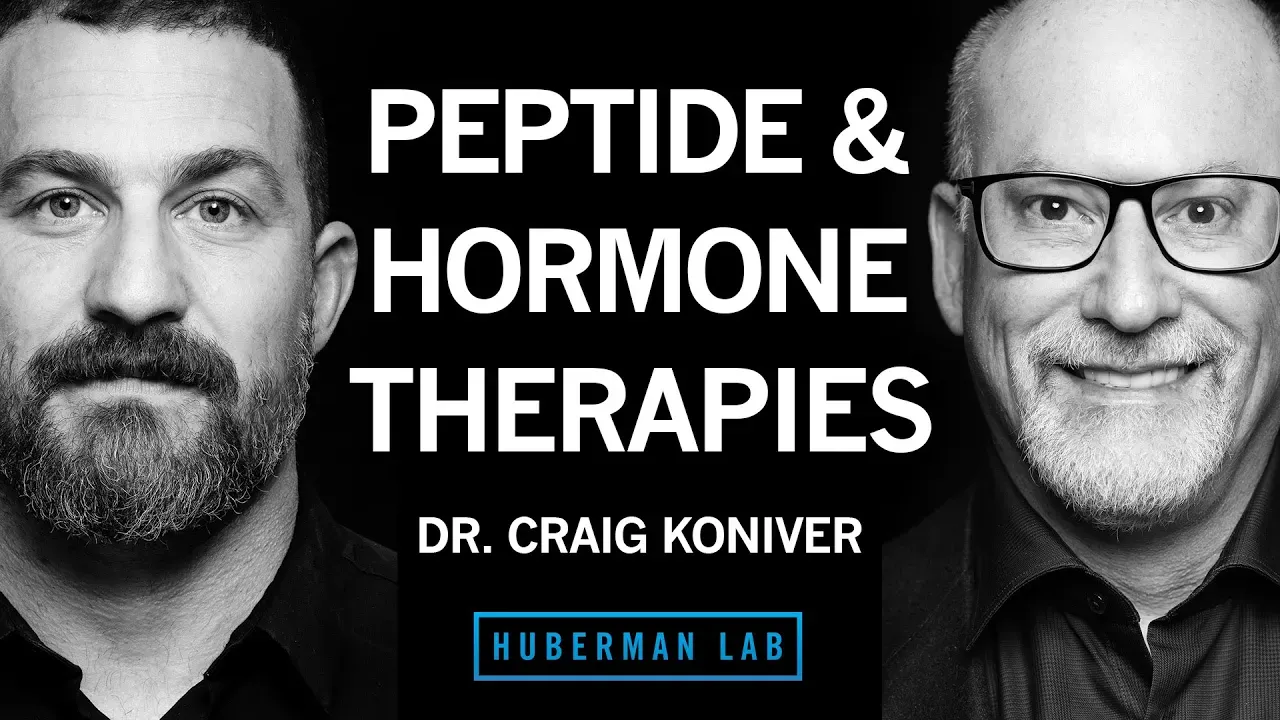
Peptide & Hormone Therapies for Health, Performance & Longevity | Dr. Craig Koniver
Explore Dr. Craig Koniver's insights on peptide and hormone therapies for improved health, performance, and longevity in this informative video.
Category
Benefits & Risks of Peptide Therapeutics for Physical & Mental Health
Discover the benefits and risks of peptide therapeutics for both physical and mental health in this comprehensive video.
Subscribe to our newsletter
Lorem ipsum dolor sit amet, consectetur adipiscing elit. Suspendisse varius enim in eros elementum tristique.