
Essentials: How to Exercise for Strength Gains & Hormone Optimization | Dr. Duncan French
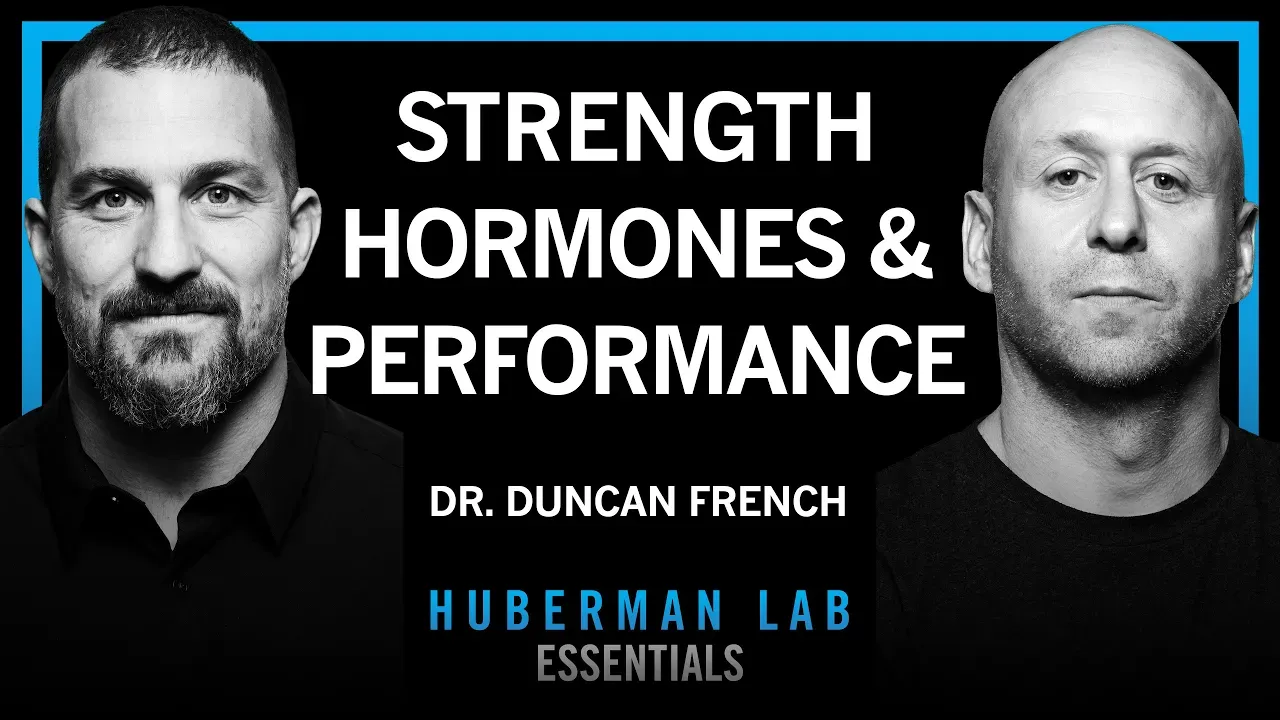
In this insightful video, Dr. Duncan French dives into the essentials of exercising for strength gains and optimizing hormonal health. He emphasizes that strength training isn't just about lifting weights; it's also about understanding how the body responds to different forms of resistance training and the large role hormones play in this process. Furthermore, Dr. French discusses strategies on how to tailor your workouts to achieve both muscle growth and optimal hormonal balance, explaining the importance of exercise frequency, intensity, and recovery.
The video also highlights common misconceptions about strength training and its effects on hormones, especially in different demographic groups. Dr. Duncan makes a strong case for consistent strength training as a vital habit that can lead to improved health outcomes throughout life. The recommendations he shares are based on research and practical experience, encouraging viewers to make informed decisions about their training regimens. A key takeaway is that integrating strength training into your lifestyle can significantly impact overall well-being and hormonal health.

Related posts
Lorem ipsum dolor sit amet, consectetur adipiscing elit.
This Cardio Trick Shrinks Belly Fat Almost Immediately

How to Maximize Fitness and Capability
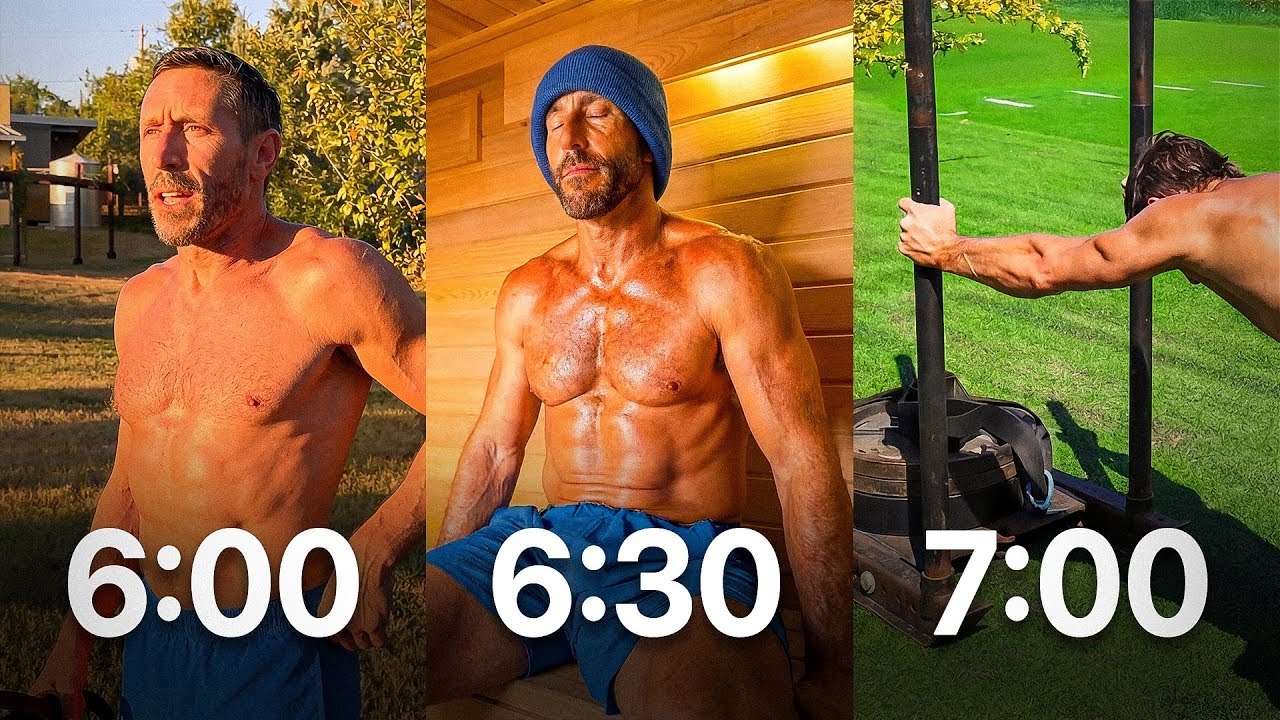
I Went From 500 to 857 Testosterone at 48 (5 Simple Tips)
Using Your Nervous System to Enhance Your Immune System | Huberman Lab Essentials
Build Your Ideal Physique with Dr. Bret Contreras
How to Lose Fat & Gain Muscle With Nutrition | Alan Aragon
Maximize Productivity, Physical & Mental Health With Daily Tools | Huberman Lab Essentials
Subscribe to our newsletter
Lorem ipsum dolor sit amet, consectetur adipiscing elit. Suspendisse varius enim in eros elementum tristique.