
Testosterone Versus Enclomiphene

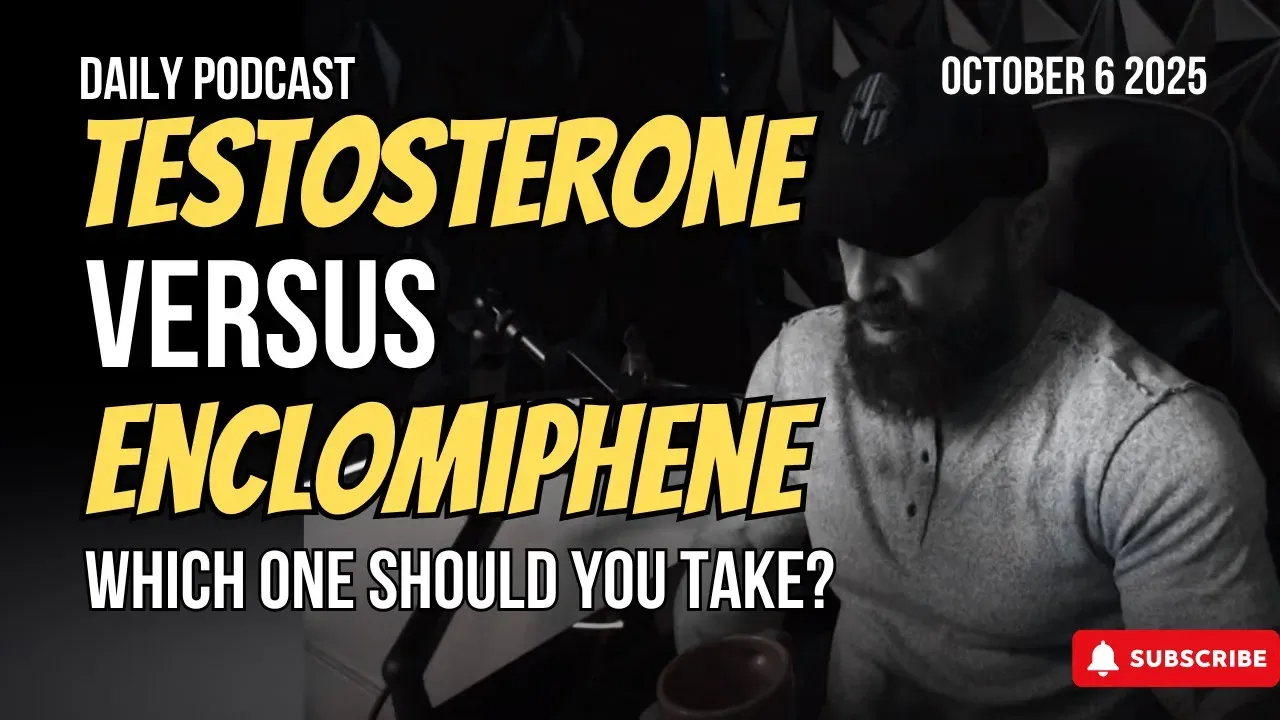
In this informative video, we delve into the critical differences between testosterone therapy and enclomiphene for addressing low testosterone levels. The discussion focuses on the benefits and potential drawbacks of each treatment, highlighting how they interact with the body's hormonal systems and affect testosterone production. The video presents expert opinions and research findings that help viewers understand the efficacy of both treatment options, along with their implications for overall health and well-being.
Additionally, the video explains who may be better suited for testosterone therapy versus enclomiphene therapy. It covers the decision-making process, including considerations such as age, health status, and personal preferences. By the end, viewers gain clarity on the safety profiles and side effects of these therapies, empowering them to make informed choices about their health. This comprehensive overview is an essential resource for anyone considering treatment for low testosterone levels.
Related posts
Lorem ipsum dolor sit amet, consectetur adipiscing elit.

TRT Clinic Revenue Loop

How Your Thyroid Controls Your Testosterone (Check This Before TRT)
How Your Thyroid Controls Your Testosterone (Check This Before TRT)

TRT Clinics Are Selling You Hormonal Chaos

Can TRT Actually Build Muscle? The Truth!


STOP Weight Loss Muscle Loss: Why Testosterone + GLP-1s Work Together

How Dopamine & Serotonin Shape Decisions, Motivation & Learning | Dr. Read Montague


What The Experts Are Saying About HRT


I Went From 500 to 857 Testosterone at 48 (5 Simple Tips)

The Ultimate Guide To Testosterone
Peptide & Hormone Therapies for Health, Performance & Longevity | Dr. Craig Koniver
Subscribe to our newsletter
Lorem ipsum dolor sit amet, consectetur adipiscing elit. Suspendisse varius enim in eros elementum tristique.