What The Experts Are Saying About HRT

Youth Fountain
January 2, 2026

Hormone Replacement Therapy (HRT) has become a cornerstone of modern wellness, particularly for addressing age-related declines in testosterone and other hormones. As men and women seek to optimize energy, muscle mass, mood, and longevity, experts in endocrinology, performance medicine, and exercise physiology offer nuanced insights. Drawing from key discussions on testosterone optimization, enclomiphene alternatives, peptide-hormone integrations, and exercise-driven hormone balance, this blog synthesizes expert opinions as of January 2026. These perspectives highlight benefits like improved vitality and metabolic health, while underscoring risks such as hormonal suppression and the need for personalized monitoring.

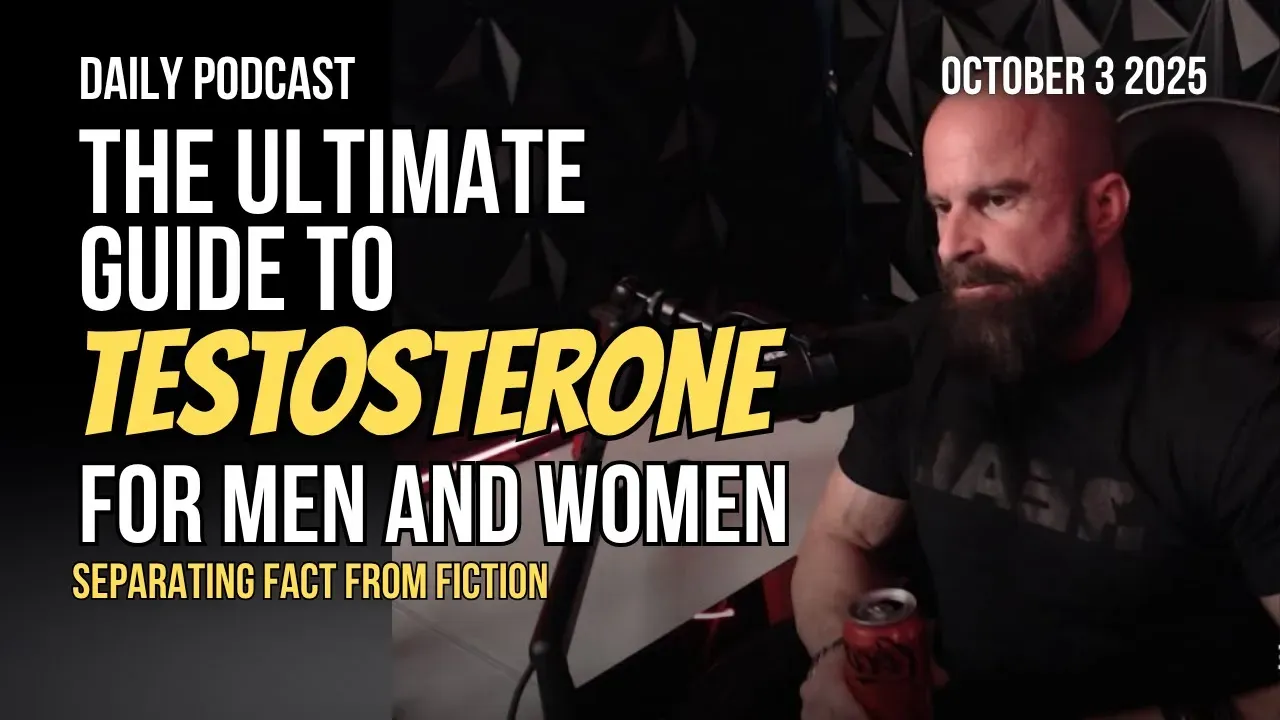
The Ultimate Guide to Testosterone: Physiology, Testing, and Optimization Strategies

Testosterone plays a pivotal role in male development, influencing muscle mass, strength, fat distribution, mood, cognitive function, and overall vitality. It's also crucial for women's health, supporting bone density and libido. Experts explain that testosterone synthesis occurs primarily in the Leydig cells of the testes in men and theca cells of the ovaries in women, regulated by the hypothalamic-pituitary-gonadal (HPG) axis. This axis involves gonadotropin-releasing hormone (GnRH) from the hypothalamus stimulating luteinizing hormone (LH) and follicle-stimulating hormone (FSH) from the pituitary, which in turn prompt testosterone production. Conversions to dihydrotestosterone (DHT) via 5α-reductase or estradiol via aromatase further modulate its effects.

Testing is essential for accurate assessment. Experts recommend measuring total, free, and bioavailable testosterone, along with sex hormone-binding globulin (SHBG) and LH levels. Morning blood draws are ideal due to diurnal rhythms, with peak levels early in the day. Interpretation should focus on symptoms—such as fatigue, low libido, or muscle loss—rather than rigid reference ranges, as individual thresholds vary. Low testosterone (hypogonadism) can stem from primary (testicular) or secondary (pituitary/hypothalamic) causes, often exacerbated by aging, stress, obesity, or medications.

Lifestyle interventions form the foundation of natural optimization. A balanced diet rich in protein (1.6–2.2 g/kg body weight), healthy fats (e.g., from avocados and nuts), zinc, and vitamin D supports production. Limiting excessive alcohol and processed foods prevents estrogen spikes and liver strain. Resistance training and high-intensity interval training (HIIT) boost testosterone by stimulating anabolic responses, while adequate sleep (7–9 hours) and stress management via meditation or yoga keep cortisol in check, as elevated cortisol can suppress testosterone.

Supplementation offers adjunctive support. D-aspartic acid may temporarily elevate levels by stimulating LH release, ashwagandha reduces cortisol for indirect benefits, fenugreek inhibits aromatase to preserve testosterone, and boron enhances free testosterone by reducing SHBG binding. However, experts caution against overhyped claims, citing mixed clinical evidence and the need for cycling to avoid tolerance. Medical HRT, such as injections or gels, is reserved for confirmed deficiencies, with close monitoring to mitigate risks like polycythemia or prostate issues. The consensus: a holistic approach combining lifestyle, nutrition, and targeted interventions yields sustainable results.

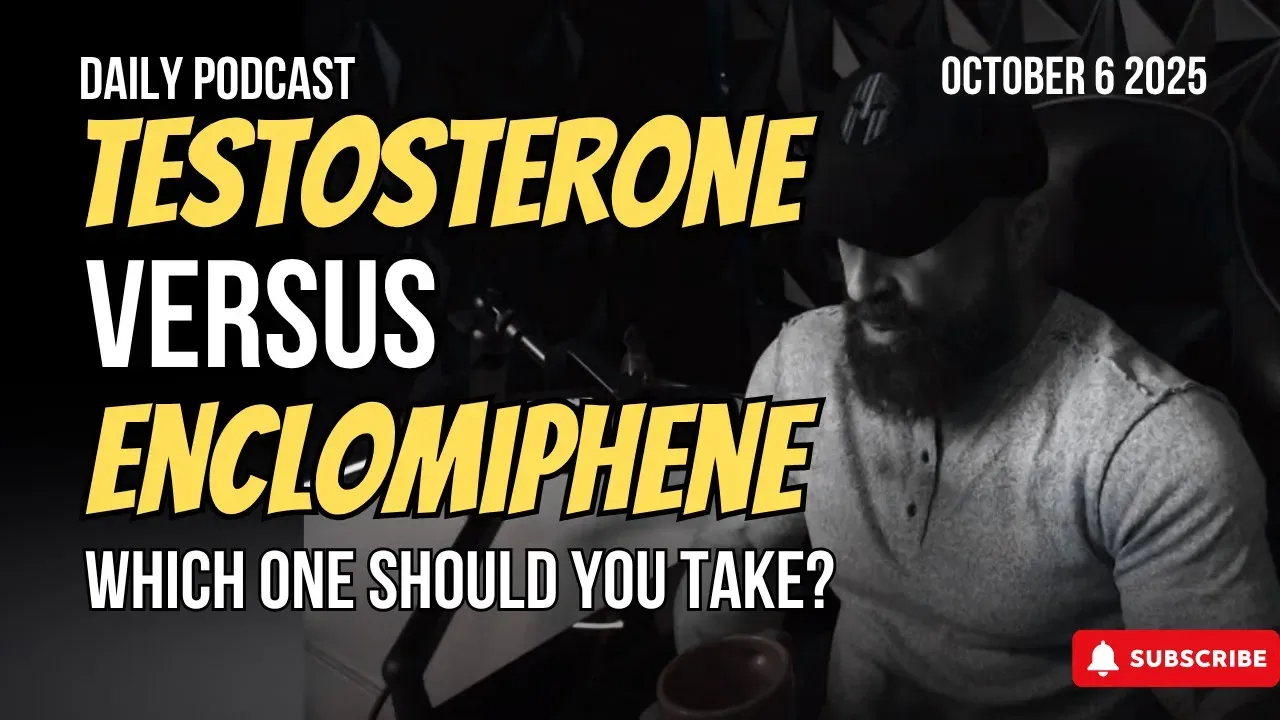
Testosterone Versus Enclomiphene: Comparisons from Dr. John Crisler and Others

Traditional testosterone therapy—via gels, injections, or pellets—effectively raises serum levels but suppresses the HPG axis, reducing LH and FSH production. This can lead to impaired sperm production, testicular atrophy, and fertility issues, making it less ideal for younger men. Experts like Dr. John Crisler highlight enclomiphene citrate as a promising alternative. As the trans-isomer of clomiphene, enclomiphene antagonizes estrogen receptors in the hypothalamus, blocking negative feedback and stimulating gonadotropin release. This boosts endogenous testosterone and sperm production without shutdown.

Clinical evidence, though limited, shows enclomiphene normalizes testosterone while preserving or improving fertility markers like sperm count and motility. Dosing is oral and low (e.g., 12.5–25 mg daily), offering convenience over injectable testosterone's weekly or biweekly regimen. Side effects for enclomiphene are milder, potentially including headaches or vision changes, compared to testosterone's risks of erythrocytosis, lipid alterations, and prostate stimulation.

Dr. Crisler emphasizes patient selection: enclomiphene suits those with secondary hypogonadism or fertility concerns, while exogenous testosterone provides quicker symptom relief for severe cases. Monitoring is crucial—regular labs for testosterone, estradiol, hematocrit, lipids, and prostate-specific antigen (PSA) allow adjustments. Enclomiphene's off-label use, cost, and insurance challenges are noted, with calls for larger trials comparing it to testosterone formulations. Overall, experts view enclomiphene as a fertility-friendly option with predictable boosts, advocating individualized choices based on goals and risks.

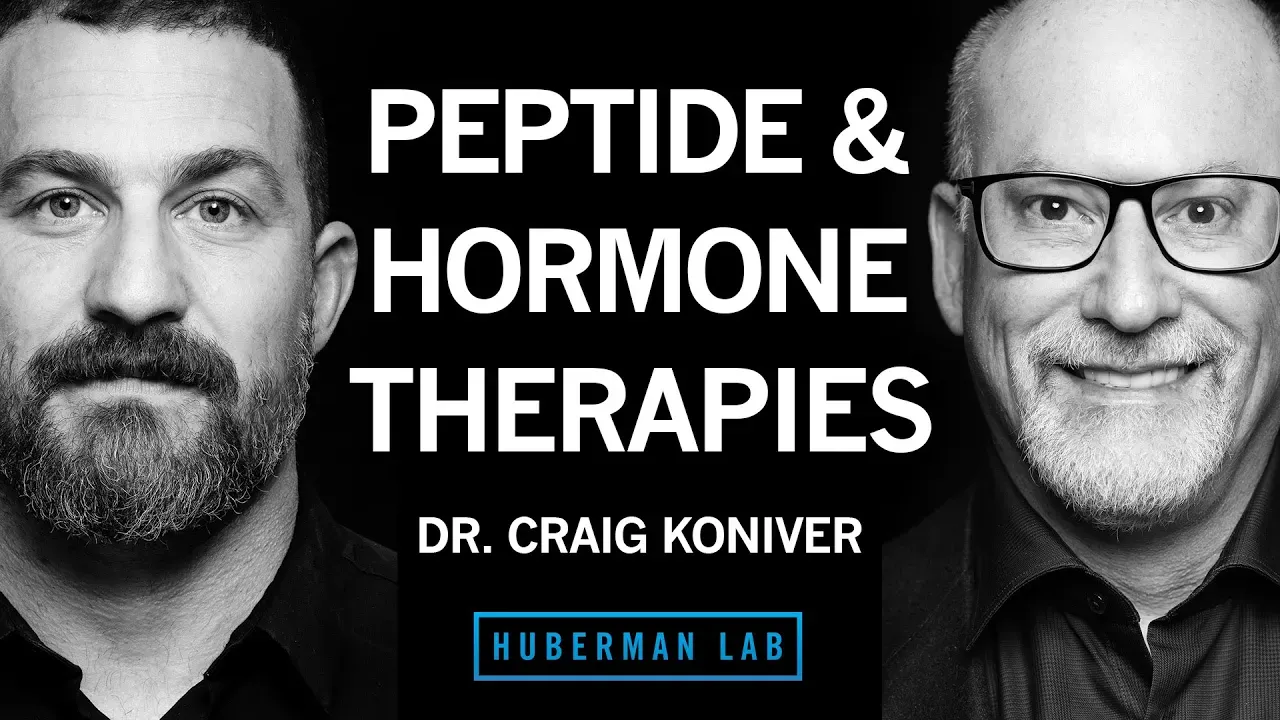
Peptide & Hormone Therapies for Health, Performance & Longevity: Dr. Craig Koniver's Perspectives

Dr. Craig Koniver, with extensive experience in integrative medicine, integrates peptides with HRT for enhanced outcomes. Peptides—short amino acid chains—act as signaling molecules, complementing hormones like testosterone. Growth hormone-releasing peptides (e.g., Sermorelin, CJC-1295, Ipamorelin) stimulate pituitary hGH secretion, promoting protein synthesis, muscle growth, fat loss, and better sleep. Unlike direct hGH, they encourage pulsatile release to prevent desensitization and side effects like edema or insulin resistance.

Insulin-like growth factor-1 (IGF-1) mediates hGH's effects, supporting muscle repair, neuroprotection, and cognition. Specialized peptides like BPC-157 and TB-500 accelerate tissue healing, aiding tendon/ligament recovery and potentially avoiding surgery. Thymosin Beta-4 offers immunomodulatory and anti-inflammatory benefits, including cardiovascular support.

Benefits span health (reduced inflammation), performance (faster recovery), and longevity (mitochondrial enhancement, senescence reduction). Dosing is tailored by age, sex, and goals, with cycling to minimize risks. Safety involves initial labs (hormone panels, IGF-1, liver/kidney function) and monitoring for side effects like water retention or joint pain, managed via lifestyle and biomarkers. Elevated IGF-1 poses oncogenic risks, so long-term data gaps warrant caution.

Koniver positions these therapies as precision tools, emphasizing adjunctive detoxification and holistic integration for optimal healthspan extension.

Essentials: How to Exercise for Strength Gains & Hormone Optimization – Dr. Duncan French

Dr. Duncan French, a performance expert, links exercise to HRT by focusing on protocols that maximize strength and hormonal balance. Progressive overload—increasing load, volume, or frequency—drives neuromuscular adaptations and anabolic hormone release. Compound movements (squats, deadlifts, presses) generate mechanical tension, elevating testosterone and growth hormone more than isolation exercises.

Training volume: 10–20 sets per muscle group weekly, adjusted for recovery. Intensity: 70–85% of one-rep max (6–12 reps) for hormone optimization, with heavier phases (85–95%, 3–5 reps) and deloads. Techniques like reverse pyramids distribute volume, while supersets maintain intensity.

Recovery is key: 7–9 hours sleep, 1.6–2.2 g/kg protein, and stress management preserve testosterone-cortisol ratios. Monitoring (heart rate, mood, sleep) prevents overtraining. French advocates personalized programming, combining resistance and HIIT for sustained hormone benefits.

Conclusion: Expert Consensus on HRT

Experts converge on HRT's potential to restore vitality but stress personalization. From testosterone's foundational role and enclomiphene's fertility advantages to peptide synergies and exercise optimization, the focus is on evidence-based, monitored approaches. Risks like suppression and side effects underscore consulting professionals. As research advances, HRT could redefine aging, but lifestyle remains paramount.

Subscribe to our newsletter

Lorem ipsum dolor sit amet, consectetur adipiscing elit. Suspendisse varius enim in eros elementum tristique.

By clicking Sign Up you're confirming that you agree with our Privacey Policy & Terms
Thank you! Your submission has been received!
Oops! Something went wrong while submitting the form.